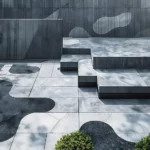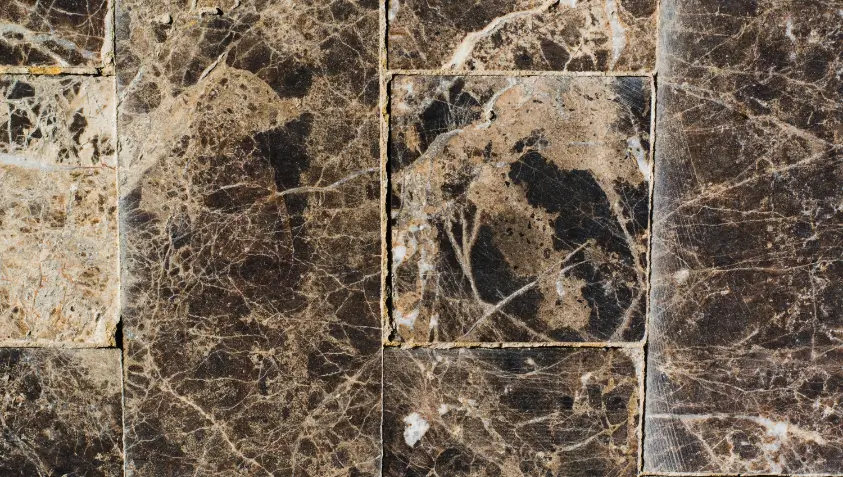
Choosing the right flooring for wet areas is one of the most important decisions for any home or commercial project. Spaces like bathrooms, kitchens, balconies, and outdoor walkways frequently come in contact with water, making slip-resistant flooring a safety essential. This is where anti-slip tiles come in. Designed to provide a better grip and reduce the risk of accidental slipping, these tiles are widely used in homes, villas, offices, and commercial spaces across Dubai.
In this detailed guide, we will explore how to select the best anti-slip tiles, what features are important, how to compare different finishes, and why choosing the right product can significantly enhance your space’s safety and durability. Whether you’re renovating a bathroom or choosing flooring for an outdoor area, this guide will help you make an informed and confident decision.
Why Anti-Slip Tiles Are Essential for Wet Areas


Wet areas require flooring that stays safe even when exposed to water, moisture, soap, or cleaning liquids. Standard tiles may look attractive, but they often become slippery when wet. Anti-slip tiles, on the other hand, are engineered with special textures and grip technology to reduce the risk of slips and falls.
Key reasons to use anti-slip tiles include:
- They provide enhanced surface friction.
- They reduce slip-and-fall hazards.
- They are ideal for residential and commercial wet zones.
- They offer long-lasting performance even in moisture and humidity.
- They are easy to clean and maintain.
Dubai’s climate also includes high humidity, which makes selecting slip-resistant tiles even more important for long-term usability.
Understanding the Slip-Resistance Rating (R-Rating)
When shopping for anti-slip tiles, one of the most important factors is the slip-resistance rating, also known as the R-rating. This rating helps you measure the level of grip a tile provides.
Common R-Ratings and Their Ideal Usage:
-
- R9: Suitable for low-slip areas such as kitchens or dry bathrooms
-
- R10: Good for bathrooms, shower areas, and indoor wet spaces
-
- R11: Ideal for balconies, terraces, and semi-outdoor areas
-
- R12 & R13: Best suited for non-slip outdoor tiles, commercial kitchens, pool decks, and areas exposed to heavy moisture
Before buying tiles for a specific room, always check this rating to ensure the tile matches your safety needs.
How to Choose the Best Anti-Slip Tiles for Bathrooms

Bathrooms remain the most common wet area at home, so ensuring safety while maintaining design aesthetics is essential. Bathroom floors often get wet from showers, steam, and cleaning routines. Therefore, selecting the correct tile is crucial.
Key factors to consider:
1. Surface Texture
Look for tiles with micro-texture patterns. They provide a better grip compared to glossy tiles.
2. Slip Rating
An R10 rating is ideal for bathroom floors, while R11 can be used inside the shower area for enhanced safety.
3. Water Absorption
Choose porcelain tiles with less than 0.5% water absorption for better durability.
4. Design & Aesthetics
Matt-finish tiles, stone-textured tiles, and soft-grip tiles give both style and safety without compromising the bathroom’s visual appeal.
5. Cleaning Ease
Modern anti-slip tiles are easy to clean despite their textures. Choose tiles that resist stains, soap buildup, and mold growth.
Choosing Anti-Slip Tiles for Kitchens

Kitchens are high-activity zones where spills of water, oil, and food are common. This makes the floor slippery and potentially hazardous.
What to look for:
1. Oil-Resistant Surface
Opt for tiles specifically designed to resist oil and grease.
2. Medium-Textured Grip
For kitchens, an R10 or micro-textured R11 tile provides the safest surface.
3. Durability
Kitchen floors experience heavy foot traffic, so ensure the tile has high abrasion resistance.
4. Easy Maintenance
Choose tiles that can withstand daily cleaning and strong detergents.
Kitchens benefit greatly from medium-textured anti-slip tiles that ensure a secure footing while cooking or cleaning.
Selecting Anti-Slip Tiles for Outdoor Spaces

Outdoor areas such as terraces, garden walkways, balconies, pool decks, and entrance pathways require the highest level of slip-resistant flooring. This is where non-slip outdoor tiles play a crucial role.
Outdoor surfaces experience exposure to water, rain, humidity, dust, and sand, making your flooring choices extremely important.
Best practices for choosing outdoor slip-resistant tiles:
1. Choose a High R-Rating
Outdoor areas generally require R11, R12, or R13 tiles.
2. UV & Weather Resistance
Select tiles that do not fade, crack, or warp under the sun or rain.
3. Rough Textured Surface
Rough stone finishes, structured porcelain tiles, and grip-finish tiles are best for outdoor use.
4. High Load-Bearing Strength
Outdoor floors may hold heavy furniture or withstand vehicle movement (in driveways), so choose durable options.
5. Low Water Absorption
Porcelain non-slip outdoor tiles offer superior strength and moisture resistance.
These tiles are specially engineered to provide long-lasting performance under extreme weather conditions.
Material Options to Consider for Anti-Slip Tiles
When choosing flooring for wet areas, it’s important to understand the tile materials available.
1. Porcelain
- Best for both indoors and outdoors
- Low water absorption
- Durable and long-lasting
- Available in R10 to R13 variants
2. Ceramic
- Suitable for bathrooms and kitchens
- Budget-friendly
- Available in R9–R10
3. Stone Textured Tiles
- Ideal for outdoor areas
- Provides excellent grip
- Weather-resistant
4. Full-Body Vitrified Tiles
- Extra strong structure
- Suitable for non-slip outdoor tiles and high-traffic zones
Each material has its own benefits, but porcelain remains the most popular choice in Dubai due to its superior slip resistance and durability.
Design Considerations When Choosing Anti-Slip Tiles
Anti-slip tiles come in a wide variety of designs, colors, and textures. Choosing the right style enhances both safety and aesthetics.
Important design tips:
- Lighter shades make bathrooms and kitchens look larger.
- Matte or textured finishes offer a natural, premium look.
- Stone, granite, and terrazzo textures add character to balconies and outdoor areas.
- Wood-look tiles with anti-slip technology are trending for modern villas.
- Large-format slip-resistant tiles provide a seamless look with fewer grout lines.
Combining design and safety ensures your home or project stays beautiful and functional for years.
Why SCHOME Is a Trusted Choice in Dubai
At SCHOME, we offer a curated range of premium anti-slip tiles engineered for Dubai’s climate and lifestyle. Our selection includes indoor bathroom tiles, kitchen tiles, and high-grip non-slip outdoor tiles designed for wet zones, high-traffic areas, and outdoor spaces. SCHOME focuses on durability, slip-resistance, and international quality standards to ensure long-lasting performance and customer safety.
Making the Right Choice for Safer Wet Areas
Choosing the right anti-slip tiles is not just about safety—it’s about improving the overall functionality, appearance, and durability of your space. Whether it’s a bathroom, kitchen, balcony, or outdoor pathway, selecting tiles with the correct slip rating, texture, and material will help protect your home while maintaining a stylish look.
With the right knowledge and the right product selection, you can create wet-area floors that are both safe and beautifully designed. Anti-slip tiles ensure long-term performance, reduce accidents, and provide peace of mind for every household or commercial space in Dubai.
How to Choose the Right Sanitaryware for Your Dubai Home
What Are the Biggest Advantages of Using Porcelain Tiles Outdoors?